MAKE LEGENDS
First draft, Oct 19, 2026
About
Make Legends (ML) is a tabletop roleplaying game system designed for children ages 1 to 9. The game is run by a Game Master, usually a grown-up, but sometimes an older child.

Make Legends is designed to:
- Excite young players about the world of roleplaying games.
- Be accessible to a variety of young ages.
- Encourage creativity, imagination and problem solving.
- Provide an experience working as a team.
- Practice math, writing, drawing and acting.
- Provide a safe space for fun physical activity.
- Encourage healthy eating (seriously!).
- Have lots of fun and build lasting memories.
Core Principles
- The core principle of Make Legends is to keep children engaged by offering information in a tactile and visually understandable manner using physical objects.
- A single game session is one adventure, consisting of three imaginative scenarios to challenge players.
- Players create their characters using LEGO Minifigures. Whatever items or accessories they choose (swords, magic staffs, skateboards, goggles, etc.) are placed in their characters' hands. Any upgrades they win can be swapped out, giving players a visual representation of their progress.
- The game uses a standard polyhedral dice set (d4, d6, d8, d10, d12, d20). Each character's Power Die represents how powerful they are, and is used for all their rolls. The more powerful the character, the bigger the die. Simply getting a bigger die communicates to the child that they've become more powerful.
- Players roll dice against a Challenge Number (CN). A roll equal to or higher than the CN is a success. Lower is a complication (not necessarily a bad thing!). Players often roll as a group and add their numbers together for the result. See /Challenge Rolls.
- Math is always kept simple. With a grown-up’s help, children should be able to understand basic addition/subtraction using chits.
- /Physical Challenges, like treasure hunts or hide-and-seek, can be incorporated to let children expend their boundless physical energy.
- You never lose! Only pause.
- The game is run by a Game Master (GM) — usually a grown-up or the oldest child in the group. The GM can also assign the oldest child in the group to assist them as a /Game Master’s Apprentice (GMA).
Order of Play
A Make Legends session follows these steps:
- /Set Up The Game Table
- /Create Your Adventurer
- /Make Your Character Card
- /Grant Spells and Luck
- Start at /Home Base
- Play the /Dice Tutorial (optional)
- Play through three /Scenarios
Set Up The Game Table
The GM sets up the game table before the game starts.
You’ll Need
- A vinyl battle mat for the game board, preferably with squares rather than hexes.
- A set of wet-erase markers. The easiest brands to clean are Staedtler Lumocolor, EXPO Vis-à-Vis Wet Erase and Crayola Broad Washable.
- A container of LEGO Minifigure parts to make player characters.
- 5x9" blank index cards for Character Cards.
- Game chits to represent Hit Points (HP) and Luck.
- A tarot card deck for magic spells. We use the Thoth Tarot deck because the cards are large and graphic. Other great decks include Wyspell Cat Tarot, Disney Villains Tarot, The Magic Tarot and Tarot of Tales.
- At least one set of polyhedral dice, plus a few extra d6. One set per player is ideal.
- A bowl of healthy snacks, such as fruits or vegetables, for healing.
- Optional: additional toys, such as wooden blocks or DUPLO, for map markers.
- Optional: background music to set the mood.
Setting Up

- Place the battle mat at the center of the table. The GM sits at the head of the table.
- At the center of the battle mat, place the container of LEGO Minifigure parts.
- Place your adventure notes face down at the head of the table.
- Place the rest of the materials next to you. You’ll hand them to the players later.
Create Your Adventurer
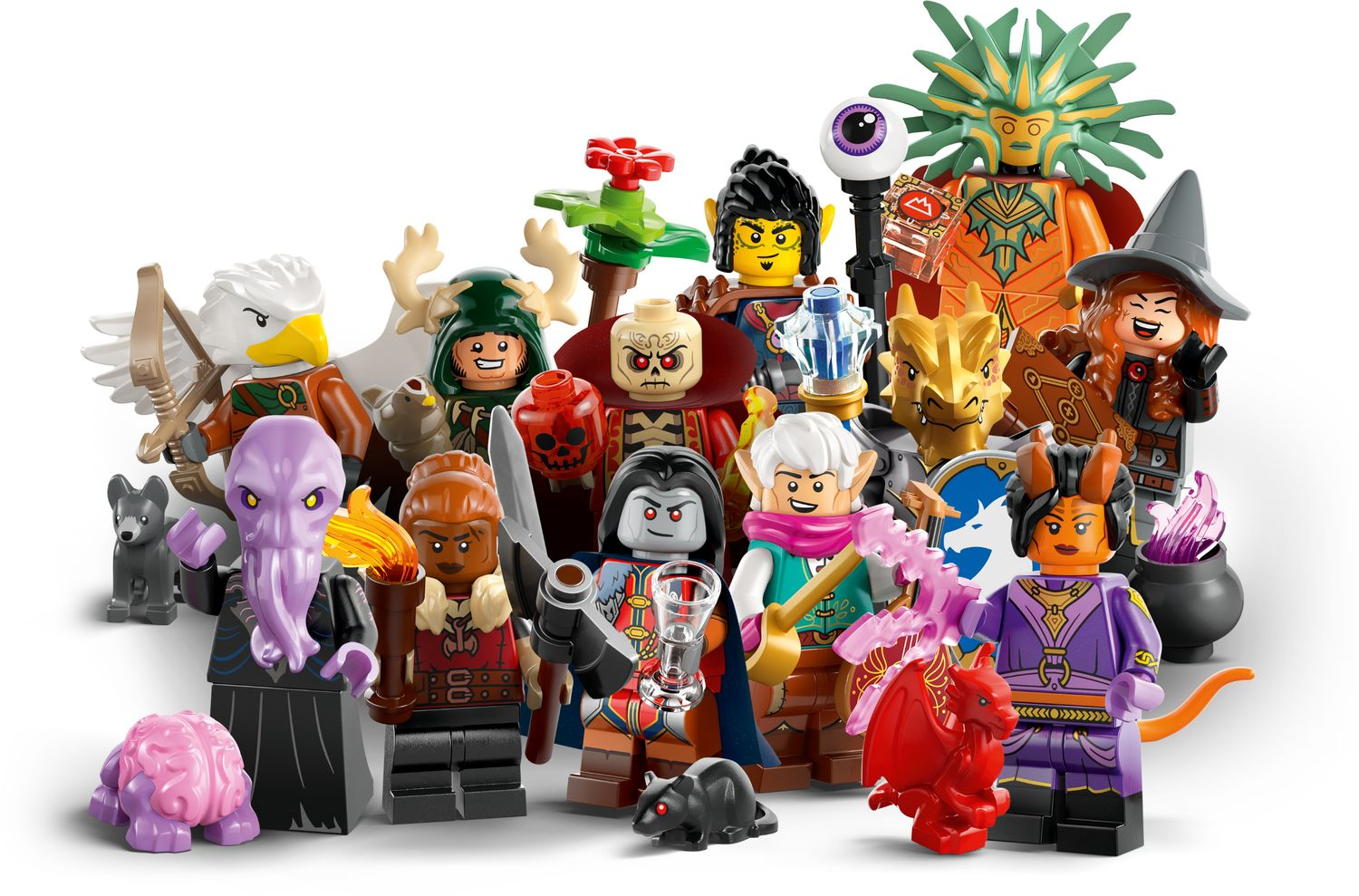
Every adventure needs adventurers, so the first step is for each player to create their own out of LEGO Minifigures and art supplies.
Build Your Adventurer
Players build their adventurers from LEGO Minifigure parts. There are no rules here! They can grab whatever pieces they want and make any character they want to be, then invent abilities based on the parts they chose. The GM should help players invent their abilities to make sure they fit the game. See /Adventurer Examples for examples.
If multiple players want the same LEGO piece, the GM should help them navigate the conflict. They can always roll for it.
LEGO Minifigures are sold in most department and toy stores, and come with most LEGO sets. They’re also sold as standalone randomized figures. Use an app like Minifig Scan to see what character is inside 🤫.
Make Your Character Card
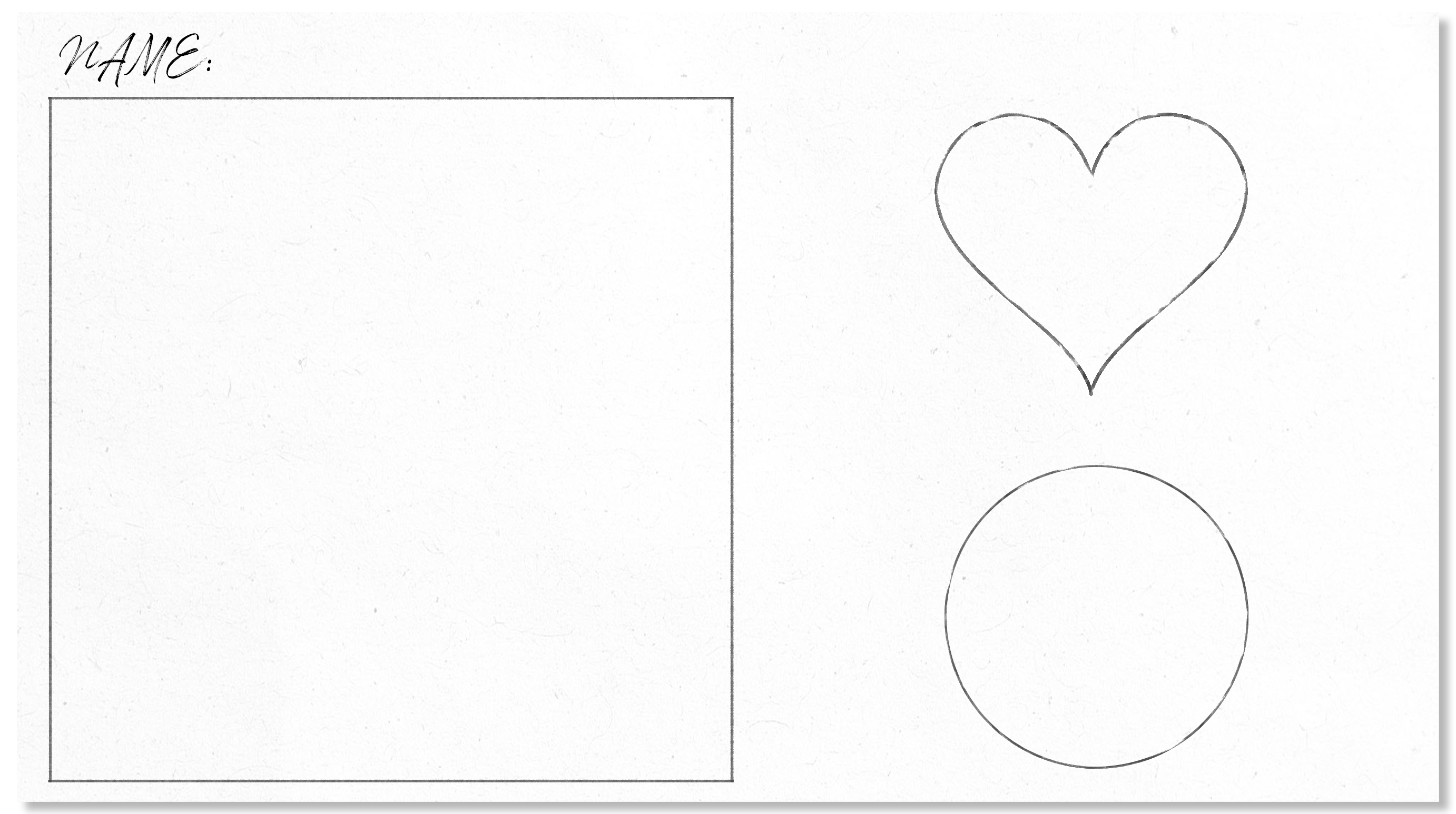
Next, give each player a 5x9" blank index card. Draw three shapes on it and add a name line, as seen above:
- Write “Name:” above the square. Help the child write their character's name here.
- ⏹️ a square: a creative space for the player to draw their character, write their story or whatever they wish.
- 🩷 a heart: write the number 10 in the middle. This is the character's Max Hit Points (HP). Stack 10 chits on top of the heart.
- ⭕ a circle: place your Power Die here. First-time adventurers start with a d6.
Now you have a Character Card!
5x9" blank index cards can be found at office supply stores, art supply stores and even supermarkets with a stationery aisle. They can also be ordered online. Alternatively, any piece of paper will do.
Grant Spells and Luck
Dealing Spell Cards
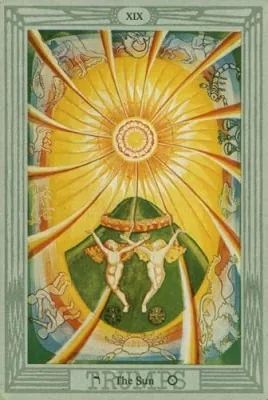
Shuffle the tarot deck and hand each player two cards. Each player looks at their cards and invents a spell inspired by each image. This can be anything! A spell card can be used once, then it's discarded.
Examples (left to right):
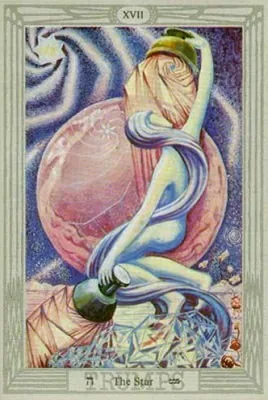
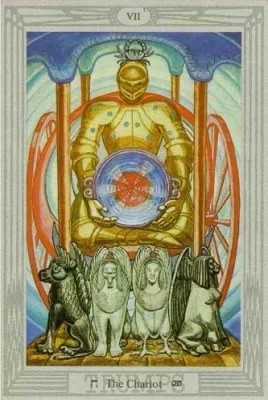
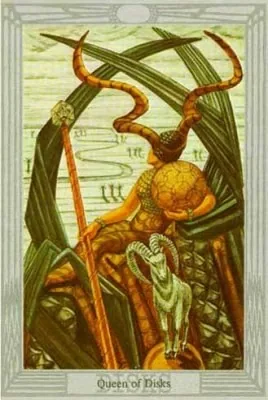
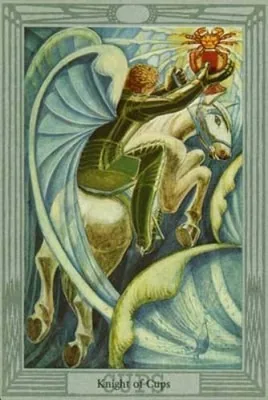
- The Star: heal someone for 4 HP.
- The Sun: make everyone around you happy.
- The Chariot: summon a monster truck.
- Queen of Disks: speak the language of animals.
- Knight of Cups: draw a river on the adventure map.
Tarot cards can be found online, or in magic and crystal stores.
Handing Out Luck Chits
Each player gets one Luck Chit. A Luck Chit can be used once to re-roll a die, or to save the adventurer from being knocked down, leaving them at 1 HP instead. Once used, it's discarded.
Adventurer Examples
Four examples of adventurers made by players. From left to right:
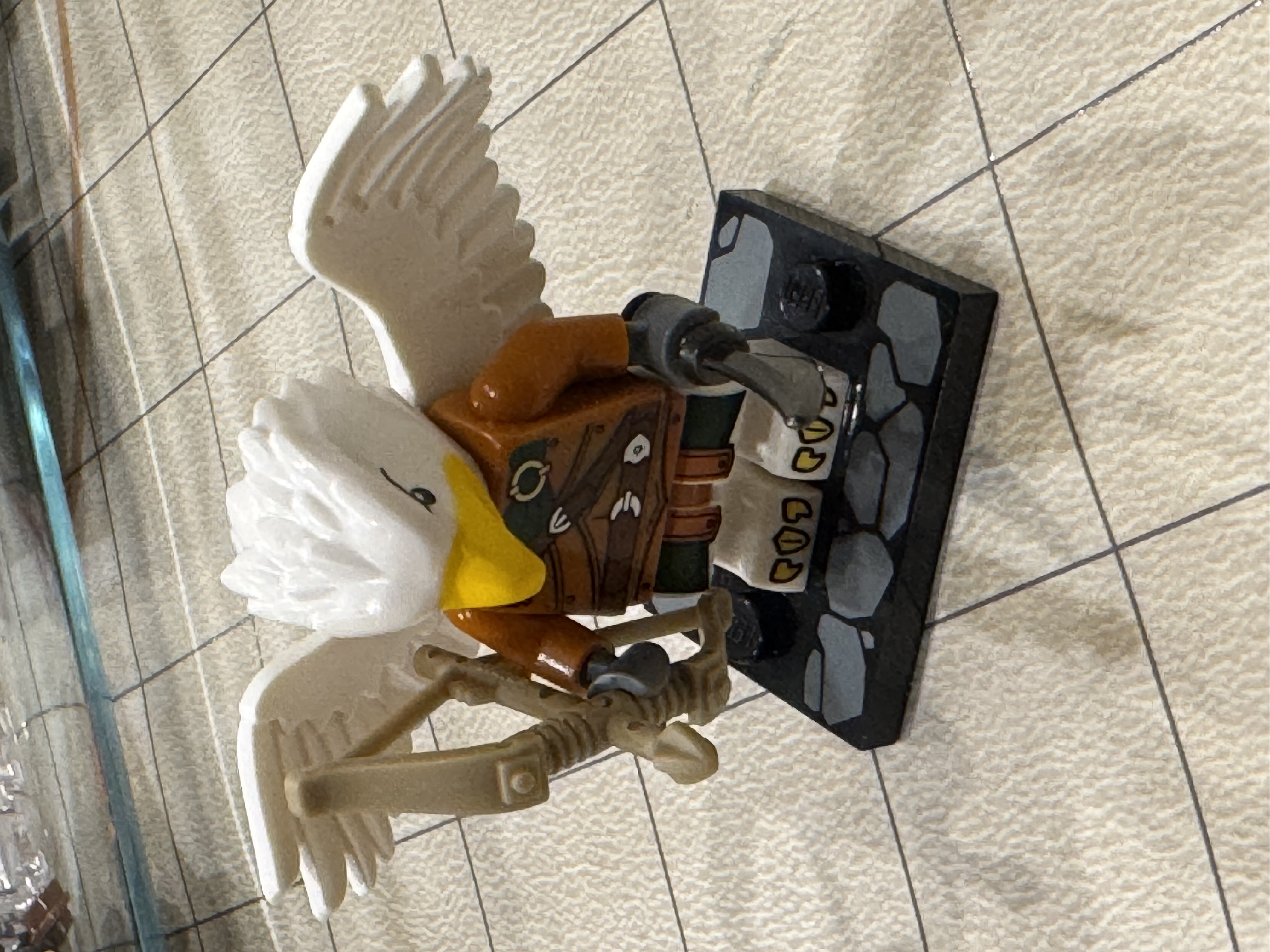
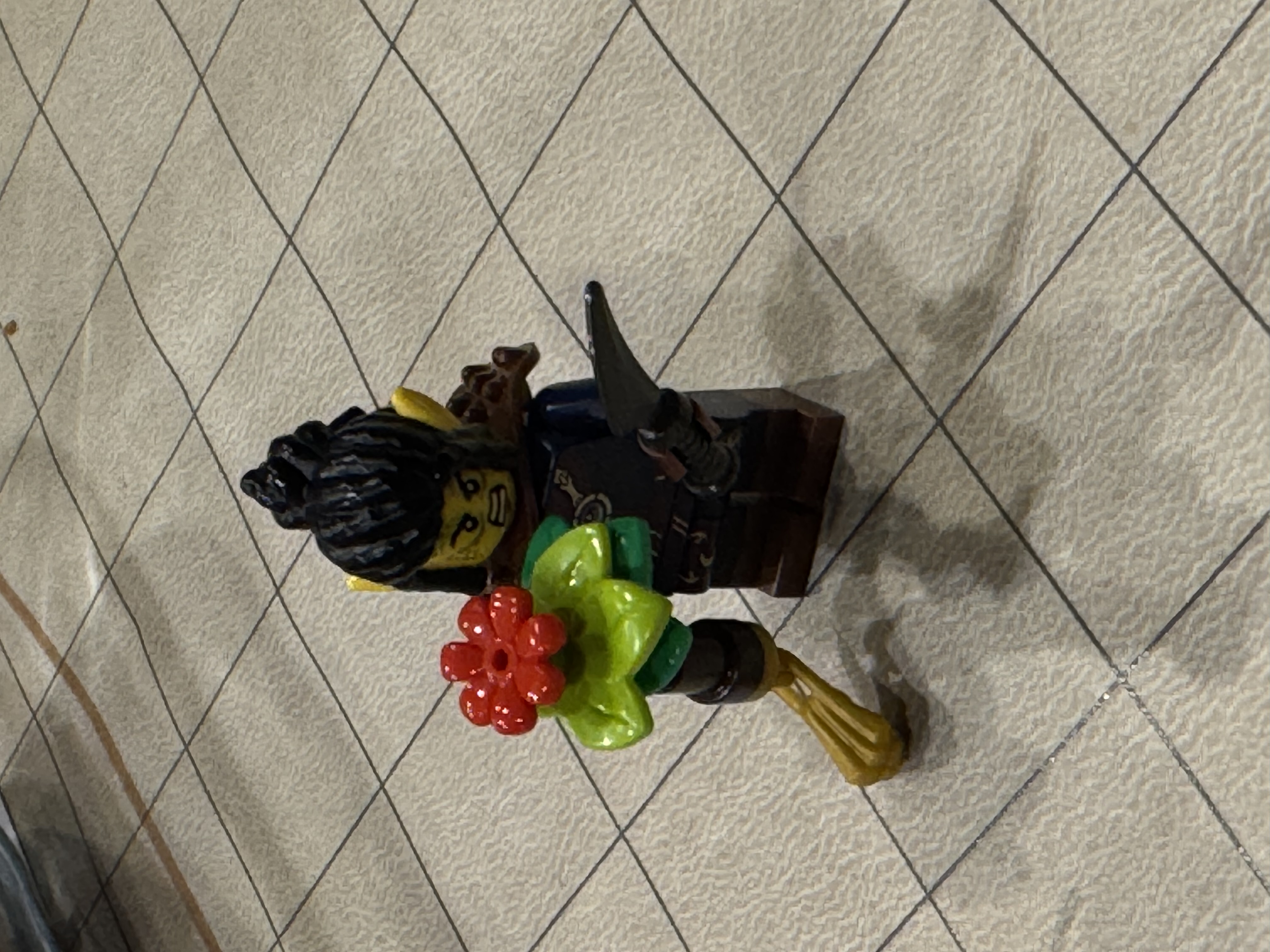
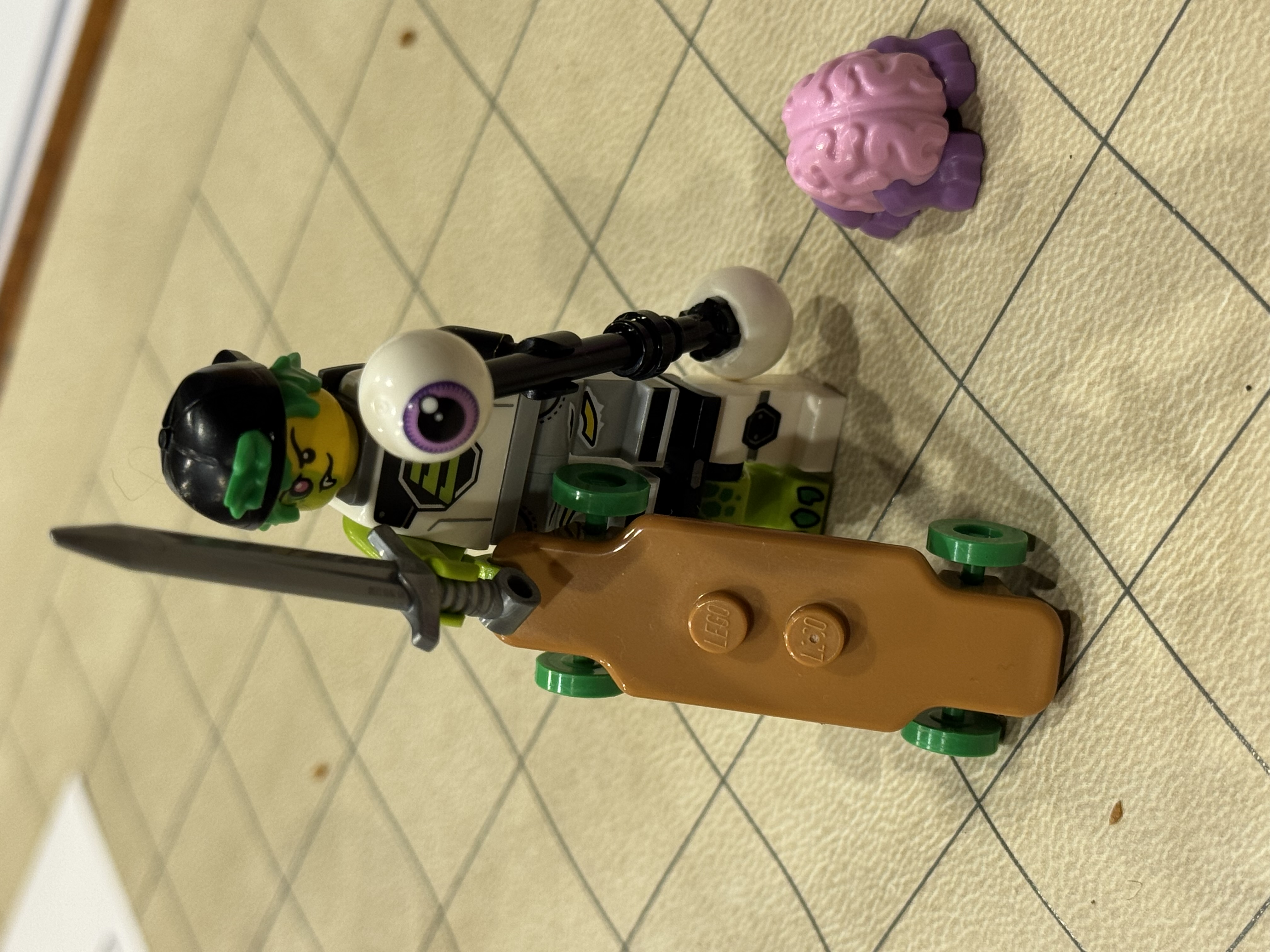
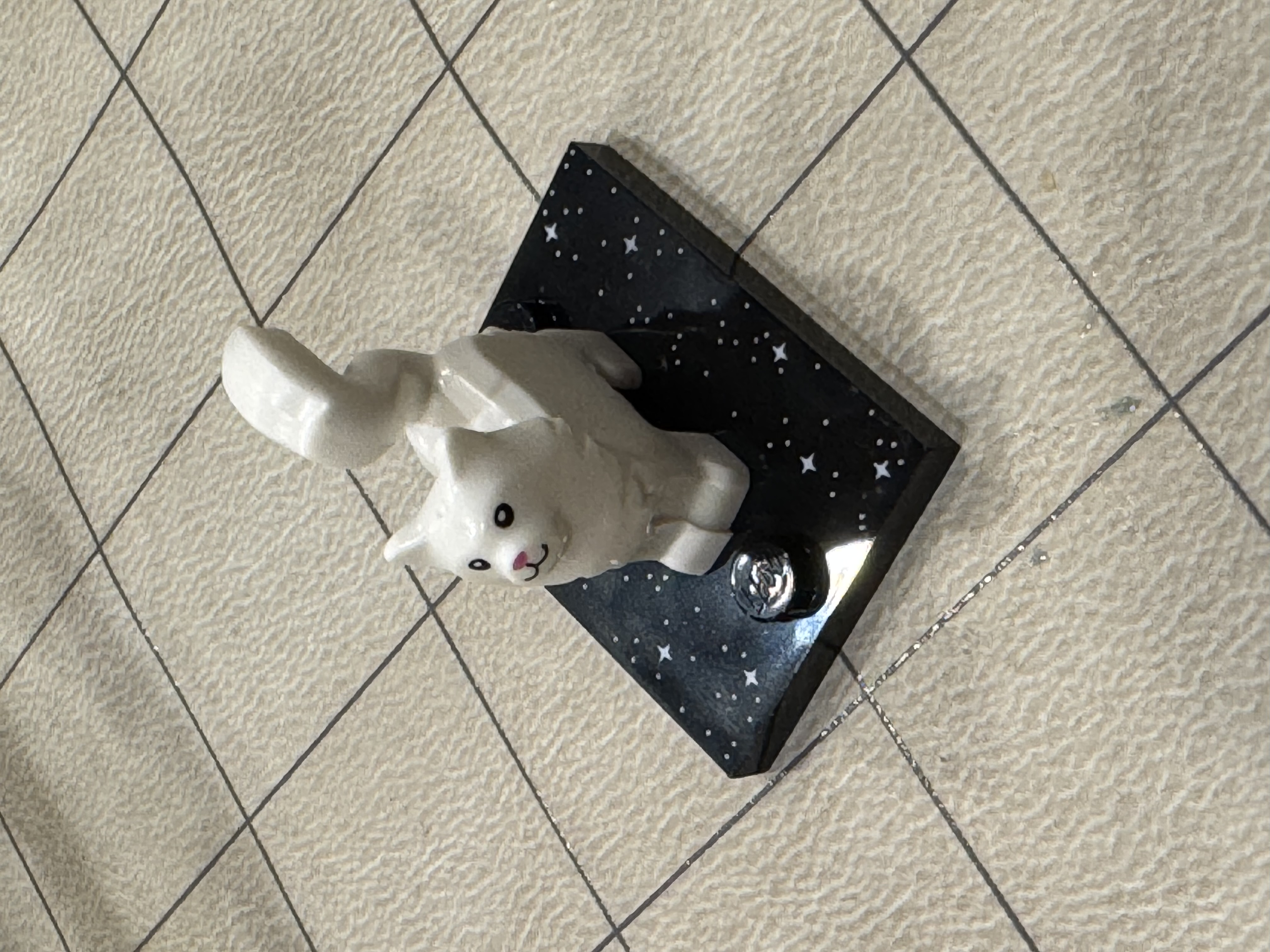
| Age | Child | Character Name | Notes |
|---|---|---|---|
| 7 | Soren | Ravenclaw | An eagle warrior who can fly. Fights with a bow and arrow and a dagger. As the group's GMA, he has secret knowledge about the adventure. |
| 5 | Sigrid | Spicy | An elf who fights with a dagger. She carries a bouquet of flowers that heals by rolling her Power Die. |
| 4 | Oren | Odie | Note the two sets of legs. Rolls around on a skateboard, fights with a giant sword and casts spells from his magic staff. Has a pet brain that steals thoughts. |
| 1 | Ilayda | Wheelen The Kitty | The mascot of the group. Named by an older player. Can lick other characters to heal them fully, up to three times per game. |
Playing an Adventure
Once the table is set and the players have created their adventurers, it’s time to start the adventure! Each adventure is structured in a similar manner, while having a unique storyline (see /Creating an Adventure1).
Home Base
Most adventures start at Home Base, like a village, tavern or hideaway. The Home Base is a safe space where the adventure begins: an NPC (non-player character) arrives with news, or the group finds a quest note that sets the adventure in motion.
Designate a place for the Home Base on the battle mat, and let the players draw it. Leave the rest of the mat blank until the players venture out.
Dice Tutorial (optional)
The Dice Tutorial is a simple encounter meant to teach new players about dice mechanics.
- A challenge occurs, requiring players to roll their starting d6 and add their numbers together against a Challenge Number (CN).
- Help the players add their roll results.
- If the roll is equal to or higher, the players beat the challenge and something positive happens.
- If the roll is lower, the players don't beat the challenge and a complication happens.
Example: The village vending machine is cursed! It turns into a robot and tries to steal a snack from the bowl. Players need to roll CN 10 or more to protect the snack.
- If the players roll 10 or more, sparks fly out of the robot and it turns back into a vending machine.
- If the players roll less than 10, the robot steals one of the snacks from the bowl.
Scenarios
Every adventure is built from a chain of scenarios, usually three per session. Each builds on the one before it to progress the story. Every scenario follows the same three-part formula:
- Inciting Moment: when the scenario begins, the GM draws the scene’s environment onto the battle mat, placing any NPC figures and set pieces. Players place their adventurers onto the map where the GM indicates, and are then presented with a Challenge.
- Challenge: an obstacle or a problem the group must solve in order to progress. A challenge takes one of three forms, or combines more than one.
- 🎲 Dice Roll: one or more players roll dice against a Challenge Number.
- 💪 Physical: a real-world task, such as finding objects hidden in the room.
- 🎭 Choice: a roleplay decision where the players choose how they want to approach the challenge. This can be through talking, fighting or a mix. The GM is encouraged to listen to the players and integrate even the craziest ideas into the story.
- Reward: succeeding by any method grants players an item, ability and/or progress towards the adventure’s goal.
Scenario Example: The Stolen Unicorn
The unicorn has been taken across the muddy river by Grumpy Golem Gary, who lives in the Mountain Cave. The group must venture forth and save it. (GM note: Gary isn’t evil, he’s just lonely and wanted a friend. But unicorns simply aren’t meant to live in caves.)
Setup:
- Before the game, the GM hides 3 shiny objects in the room.
- At the scenario’s start the GM draws a river on the battle map and places a crocodile figure on it.
Inciting Moment: the players approach the river. The GM reads:
The Muddy River is wide. Crocodile Chris lives in it. He’s not hungry—he’s bored and wants to play a game. “I will let you cross if you find 3 shiny things hidden around the room.”
Challenge, physical: the players search the actual room for the objects the GM hid. If they get stuck, the GM provides an in-fiction hint (“your pet smells it near the cabinet”).
Reward: once all three objects are found, Chris gives the players his Ol’ Monster Truck, a magic item invented for this adventure. Its magic upgrades one future Power Die roll, one time only (d6→d8). After that, it’s just a really cool truck.
Setup:
- At the scenario's start the GM draws a mountain path on the battle map, places a rock prop (DUPLO or wooden block) blocking it, and places the LEGO sword and flower underneath the rock.
Inciting Moment: the players reach the blocked path. The GM reads:
A big rock blocks the way up the mountain. Gary must have put it there to block any pesky adventurers. "You'll need to move it yourselves."
Challenge, dice roll: the players roll their dice and add the total against CN 10.
- If 10 or more: the rock moves.
- If less than 10: the rock stays still and the players must roleplay a workaround.
Reward: once the rock moves, the players find the sword and flower underneath. Whoever picks the sword gets a permanent Power Die upgrade (d6→d8). The player who takes the flower finds out it’s the unicorn’s favorite food.
Setup:
- At the scenario's start the GM draws a cave on the battle map and places the Grumpy Golem Gary and unicorn figures inside it.
Inciting Moment: the players enter the cave. The GM reads:
Inside the cave, Grumpy Golem Gary sits with the unicorn. She looks sad. So does he.
Challenge, choice: the players decide how to resolve it.
- Talk: if the players offer friendship, promise to visit, or give Gary the flower from Scenario 2, he releases the unicorn immediately.
- Fight: Gary has 15 HP, CN 8 and a d6 Power Die. Players roll and add their dice each round, following the /Combat rules. Attack and damage are the same roll. Players can use their abilities to help them win the battle.
- Mix: some players fight while others talk. Once Gary’s HP drops to 8 or below, he stops fighting and becomes open to talking; the talkers then finish the resolution.
Reward: the unicorn is rescued and the adventure resolves. The players ride the Ol’ Monster Truck together with the unicorn back to their village.
Running an Adventure
This section explains how to run the game as the Game Master (GM), including the rules, mechanics and general tips. Some parts of this section are still under construction.
Roleplaying
Roleplaying is the heart of Make Legends. The GM should encourage players to bring their characters to life by doing voices and acting out their physicality.
- 📣 Find their voice: Encourage players to use different voices, funny accents, or even silly noises for their characters.
- 🤸 Act it out: If a character is scared, let them act scared! If they are being brave, let them stand tall. Encourage them to use their bodies to show how their character feels.
- 🌈 Make it up: When the GM describes a scene, encourage the kids to tell you what their character would say or do.
- 🙌 Play together: The GM also roleplays as the NPCs (the villagers, the lonely Golem, the pesky Crocodile). Let the kids "talk" to these characters to solve problems or make friends.
The more the kids express themselves, the more fun the game becomes. If a child is shy, the GM can help by asking easy questions (“Is your character happy about the monster truck?”) to help them get clear on their feelings.
Yes, And… Rule
In Make Legends, we always want to say “Yes, And…”. When a player shares a creative idea, the GM should try to make it happen. Even if the idea is silly or unlikely, say “Yes!” and add a detail to make it part of the adventure. The goal is to build on each other's ideas and make the most imaginative adventure possible.
Oren declares that “Odie does a silly dance to distract Grumpy Golem Gary.” The GM responds with Yes, And Gary is so confused by the dance that he forgets to be grumpy for a moment!
Challenge Rolls
Most rolls in Make Legends are Challenge Rolls rolled against a Challenge Number (CN).
- The CN is set by the GM. The higher the number, the more difficult the challenge.
- An equal or higher result is a success; the GM describes a positive outcome, scaled by how close the roll was to the CN.
- A lower result is a complication: a loss of HP, a lost item, a need to improvise, or another attempt with a twist. The GM scales the severity of the complication based on the margin of failure (how far the roll was from the CN).
- Near Miss: A near miss is deliberate. A roll just under the CN is close enough to give the player one more try. On that retry, a success means they succeeded, and a failure means the worst result happened. These are guidelines. The GM is free to change any outcome based on their read of the player and the table.
- Players often roll as a group, summing their results against the CN. Like when they attack the same enemy or do something as a group.
- Players can use a Luck Chit to re-roll a result.
Success/Failure Margin Examples
Spicy wants to jump over a chasm and land on the other side. The GM determines that this challenge has a CN of 4. If the roll is:
| Roll | GM Description |
|---|---|
| 6 | Success! You somersault three times in the air, landing safely on the other side. |
| 5 | Success! You somersault over the chasm and land on the other side. |
| 4 | Success! You take a running start and jump over the chasm. |
| 3 | Near miss! You jump far, but not far enough. Luckily you catch yourself on the opposite edge. Roll again to try to climb up. |
| 2 | Miss. You take a running start, but trip and fall before you reach the chasm. |
| 1 | Oh no! You trip right before the chasm and fall in. You’re stuck at the bottom and need to find a way back up. |
Movement
There is no movement mechanic. The battle mat exists to show players where their characters are, not to track distance or position. Players place their characters where the GM indicates.
Combat
Combat is kept simple and in line with /Challenge Rolls.
Combat Order:
Based on the situation, the GM determines which side goes first: Players or Enemies.
- For general ease, let the players go first.
- If players are fighting a final boss, letting the boss go first raises the stakes.
- If one side snuck up and surprised the other side, that side goes first.
- For fun, a player and the GM each roll a die. If the player has the higher number, players go first. If the GM has the higher number, enemies go first. If they tie, roll again.
Players Attack
- Everyone who declares an attack rolls their Power Die. Players can use any ability or spell to influence their roll.
- Attacking players add their dice together. If the total is equal to or higher than the enemy’s CN, subtract it from the enemy’s HP.
- If the enemy’s HP drops to 0, it is Knocked Out and out of the game.
Enemy Attack
- Each enemy chooses one player to attack.
- The enemy rolls its Power Die. A result of 1 misses. Any higher result causes an equal amount of HP damage to the adventurer.
- If an adventurer drops to 0 HP, they’re knocked down and sit out until another player recovers them.
Odie the Galactic Skateboarder and Spicy the Slayer face the half-human, half-snail Snailtaur.
Round 1
- Odie and Spicy each roll a d6. Their combined result is 7.
- Snailtaur has a CN of 10 thanks to his armored conch, but only 4 HP due to his mollusk-y skin. Since 7 is less than 10, the attack misses.
- Snailtaur swings his Morningstar at Odie and rolls a d8. The result is 4, so Odie takes 4 damage, dropping from 10 HP to 6 HP.
Round 2
- Odie and Spicy each roll a d6. Spicy also uses her The Tower spell card to summon a collapsing tower on Snailtaur, granting her an extra d6 roll. The combined result is 12. The spell card is then discarded.
- Since 12 is higher than Snailtaur’s CN of 10, the attack succeeds. Snailtaur takes 12 damage, reducing it to 0 HP (HP cannot go below 0). Snailtaur is Knocked Out.
Post-Combat
- Odie takes Snailtaur’s Morningstar, upgrading his Power Die from d6 to d8.
- Spicy imaginatively cuts 2 pieces from Snailtaur’s conch and turns them into shields. The shields make enemy attacks miss on 1 and 2.
- Odie uses his The Star spell card to heal 4 HP, bringing him back to 10 HP. The card is then discarded.
Knockouts, Knockdowns and Recovery
HP can never go below 0. If a character takes an amount of damage that reduces their HP below 0, mark it as 0 HP.
- A skeleton has 2 HP. Ravenclaw successfully attacks it, causing 6 damage.
- Since 2 − 6 is −4, which is less than 0, the skeleton has 0 HP and is Knocked Out.
Knockout
When an enemy reaches 0 HP, it is Knocked Out. This means it no longer fights and is out of the game. The GM knocks over its figure on the board or removes it completely.
Knockdown
When a player reaches 0 HP, they are Knocked Down. This means they cannot move or act until another player recovers them. The player knocks over their figure on the board to show they’re knocked down.
Recovery
A player recovers another adventurer instead of attacking. This restores 1 HP to the recovered adventurer, letting them take part in the game again.
Party Knockdown
If all of the players’ adventurers are knocked down, the GM decides how the story continues, based on how the players feel. You never lose, you only pause. Options include:
- 🧚 Create a situation that recovers one or more adventurers. For example, a friendly fairy appears from the bushes and recovers the players.
- 👩🎨 Let the players create new characters and continue the adventure.
- 🚦 Pause the adventure and pick it up next time, if stopping won’t upset the children.
Healing
Adventurers can heal by eating healthy snacks from the snack bowl. Each snack heals a set amount of HP, and the healthiest snack heals the most.
Each food item heals…
- 🍇 Grapes (cut) = 1 HP
- 🍎 Apple slice = 2 HP
- 🥦 Broccoli floret = Full HP
- Any healthy snacks can be used. Pick a few that heal small amounts, and one healthiest (and usually least wanted) snack that heals fully.
- A player can eat a snack at any time outside combat. During combat, eating a snack takes the place of attacking.
- HP can never go above the adventurer's Max HP.
- A knocked-down adventurer can't eat until another player recovers them.
- Spells and abilities can also heal (e.g. The Star spell card, a mascot heal).
Odie has 5 of his 10 HP after a fight with a goblin. He eats an apple slice and heals 2 HP, bringing him to 7 HP. Then he bravely eats a broccoli floret and heals back to 10 HP.
Check for food allergies before the game. For children under 4, cut grapes lengthwise into quarters and keep all food pieces small to prevent choking.
Physical Challenges
Physical challenges help break up the game and let children expend their boundless energy. Use your imagination when creating these to integrate them into your adventure. Always ensure these challenges are safe, and never force a child to do it if they don’t want to.
- 💰 Treasure hunt: The adventurers need to find a special item to continue their quest. Hide the object in the room and place clues.
- 🚦 Red Light / Green Light: The adventurers need to sneak past a monster. The GM acts as the caller, and the players need to reach the GM to succeed. Red Light / Green Light rules.
- 🪜 Climbing: The adventurers have to climb over a fortress wall. Set up a pile of pillows and beanbags for the kids to climb over.
- 💪 Push-ups: A troll challenges the adventurer to a contest of strength. Race the children to see how many push-ups each one can do.
Age Scaling
Make Legends is designed for players 1 to 9 years old to play together. Since these ages vary behaviorally and cognitively, here are a few scaling adjustments to the rules based on the age of the player.
| Age | Overview | Adjustments |
|---|---|---|
| 1 | Can sit in a highchair and be made to feel included. | - Give a stuffed animal for the other kids to name. This is the party’s mascot. The mascot is in addition to the child’s LEGO character. Keep the LEGO character away from the child for safety, and have an older child or the GM move it. - The mascot can fully heal up to 3 times per game. - Ilayda’s character, Wheelen The Kitty, is an example. See Adventurer Examples. |
| 2 | The toughest age to play with. Generally active and want to get into everything. Focus on tactile participation and make them feel included. | - Same adjustments as age 1 - Create a reachable “safe zone” on the battle mat where the child is free to draw and interact with any object. - On occasion let the child throw a die and include results in the story. |
| 3 | Can start to understand story, choice, and follow the basic flow of the quest. | - Provide extra guidance with rules. - Help them roll dice and cast spells, if needed. - Provide them with small choices (e.g. “do we go left or right?”). - Help and encourage them to describe the result of a successful roll (e.g. “The golem is scared”). |
| 4 | Are learning to manage their own characters, and capable of handling complications. | - Focus on Yes, And… Rule. - Encourage them to make creative choices (e.g. silly ideas for the characters). - Assist with adding dice results and subtracting HP. |
| 5 | Can handle choice mechanics and combat basics. | - Same adjustments as age 4. - Encourage them to subtract their own HP. |
| 6 | Can handle roleplaying and more complex challenges. | - Consider increasing CN numbers. - Encourage them to add their own dice results and subtract their own HP. - Encourage them to try their own voices and roleplay. |
| 7 | Can handle roleplaying, more complex challenges, and being a Game Master’s Apprentice (GMA). | - Can be the Game Master’s Apprentice (GMA). - Consider increasing CN numbers. - Encourage them to try their own voices and roleplay. - Encourage them to assist younger players. |
| 8 | Can handle campaigns, more complex challenges, roleplaying, and being a Game Master’s Apprentice (GMA). | - Same adjustments as age 7. - Let them handle campaign elements, such as remembering the previous session. |
| 9 | Can handle campaigns, more complex challenges, roleplaying, plot twists, and being a Game Master’s Apprentice (GMA). | - Same adjustments as ages 7 and 8. |
Hints & Helping Players
An important job of the GM is to keep the game moving. Sometimes, a child might get stuck and not know what to do next. When this happens, the GM can help by:
- 🧠 Giving a “Nudge”: ask an open-ended question to spark their imagination. “What do you think your character wants to do now?”
- ❓ Offering a “Choice”: give the player two clear options. “Do you want to use your magic staff to light the way, or look for a different path?”
- 📖 Using In-Story Hints: provide a hint that comes from the story itself. “Your pet senses something interesting behind that big rock” or “Your sixth sense kicks in, telling you there’s something behind that big rock.”
Game Master’s Apprentice
The oldest child in the group should be encouraged to take the role of the Game Master’s Apprentice (GMA). The role is meant to provide the child with more responsibility, pride and confidence. It’s meant to give them experience that’s closer to being the Game Master while still playing the game. For the GM, this is an extra hand for keeping the adventure flowing.
Game Master’s Apprentice Role
- 🎲 Plays a character and rolls dice like everyone else.
- 🤝 Helps younger players with mechanics and feelings.
- ✍️ Often tracks dice rolls and hit points.
- ✨ Starts with a special ability that helps the party (e.g. the ability to re-roll three times).
- 🤭 Starts with special SECRET knowledge about the adventure. This is communicated through a secret briefing, via an email, text message or paper note. The GM reviews the secret briefing with the GMA before the game.
The Secret Briefing Example
Hey Soren,
You’re going to be my Game Master’s Apprentice (GMA) for the unicorn adventure. Here’s what you need to know:
🥷 Your Secret Role:
You’re the Unicorn Keeper’s Apprentice. You’ve been learning about magical creatures from the old Keeper. You know something the others don’t: Grumpy Golem Gary, who took the unicorn, isn’t a bad guy. He’s just lonely and doesn’t understand that unicorns can’t live in caves. Your job is to help your friends figure this out without just telling them the answer.
🍀 Your Special Ability:
You’re a Luck Guardian. Three times during the adventure, you can touch another player’s shoulder after they roll the dice and say “Try again!” That player gets to re-roll. You decide when to use these, so save them for when someone really needs help.
🛡️ Your GMA Jobs:
- When the little kids get stuck, give them hints (but let them think of ideas first).
- If [5.5 y/o] gets scared, remind her everything is pretend and she’s safe.
- If [4.5 y/o] tries to do something wild, tell me if you think it’s cool or if it breaks the game. I’ll make it happen your way.
- During the cave scene, use your secret knowledge to help the others figure out Gary is just lonely.
- Keep track of Gary’s health during the fight (I’ll tell you it starts at 15).
💪 Make sure no one gets left out. You’re the big kid, so you’re in charge of making sure everyone has fun.
🎲 What You Get:
You still get to roll dice and play, but your main job is helping everyone else. You’re more like a team captain than just a player.
This is going to be awesome. See you soon.
—GM
Still to Add
Creating an Adventure
One-off
Campaign
Creating NPCs
Friends
Foes
House Rules
1: Under Construction